11 Amazing Technologies In Egypt That Scare Scientists!


Egypt is a country that is no stranger to amazing feats of engineering and technology. For thousands of years, they have been at the forefront of innovation, developing technologies that have changed the world. However, some of their more recent inventions are raising eyebrows among the scientific community.
From artificial intelligence to 3D printing and beyond, these are 11 technologies in Egypt that scare scientists!
Egypt’s Tech Revolution:
Egypt has been a hotbed of technological innovation for centuries. From the development of early writing and mathematics to the construction of the pyramids and the development of irrigation systems, Egyptians have always been at the forefront of technology.
Now, Egypt is experiencing a tech revolution that is poised to change the country forever. A new generation of entrepreneurs are bringing innovative ideas and cutting-edge technologies to the market, and they are quickly gaining international attention.
Some of the most amazing technologies that are being developed in Egypt include:
1. A revolutionary new renewable energy system that harnesses the power of the sun and the wind to generate electricity.
2. A mobile app that can diagnose diseases in seconds with just a drop of blood.
3. A 3D printing technology that can create houses out of sandstone.
4. A drone delivery service that is changing how goods are delivered in urban areas.
These are just a few examples of the amazing technologies that are being developed in Egypt right now. It’s an exciting time to be part of the Egyptian tech scene, and there’s no telling what new innovations will come out of this rapidly growing sector!
50 Things You Probably Didn’t Know About Ancient Egyptian Civilization
-The ancient Egyptians were the first to invent and use paper.
-They also created a type of glass that was so clear, it was used in optics.
-The Egyptians were the first to use chemotherapy to treat cancer.
-They also developed a system of medicine that relied on herbs and natural remedies.
-The ancient Egyptians were experts in architecture and engineering, and were responsible for some of the most impressive structures in history, including the pyramids.
-They also developed a form of writing called hieroglyphics, which is still used today.
The Great Pyramid of Giza
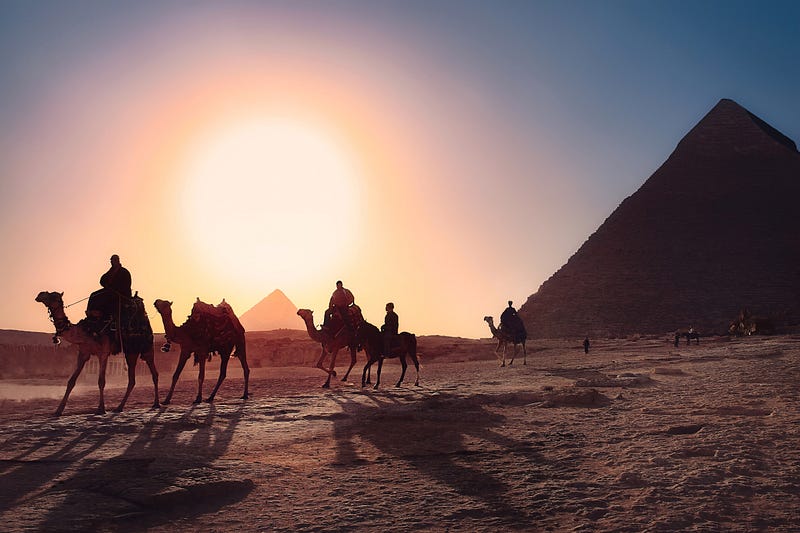
The Great Pyramid of Giza stands an impressive 481 feet (146 meters) tall and is the oldest, and largest, of the three pyramids in the Giza Necropolis. It was built for Pharaoh Khufu over 4,500 years ago and is made up of an estimated 2.3 million limestone blocks. The average weight of a limestone block is about 2.5 tons (2,268 kilograms).
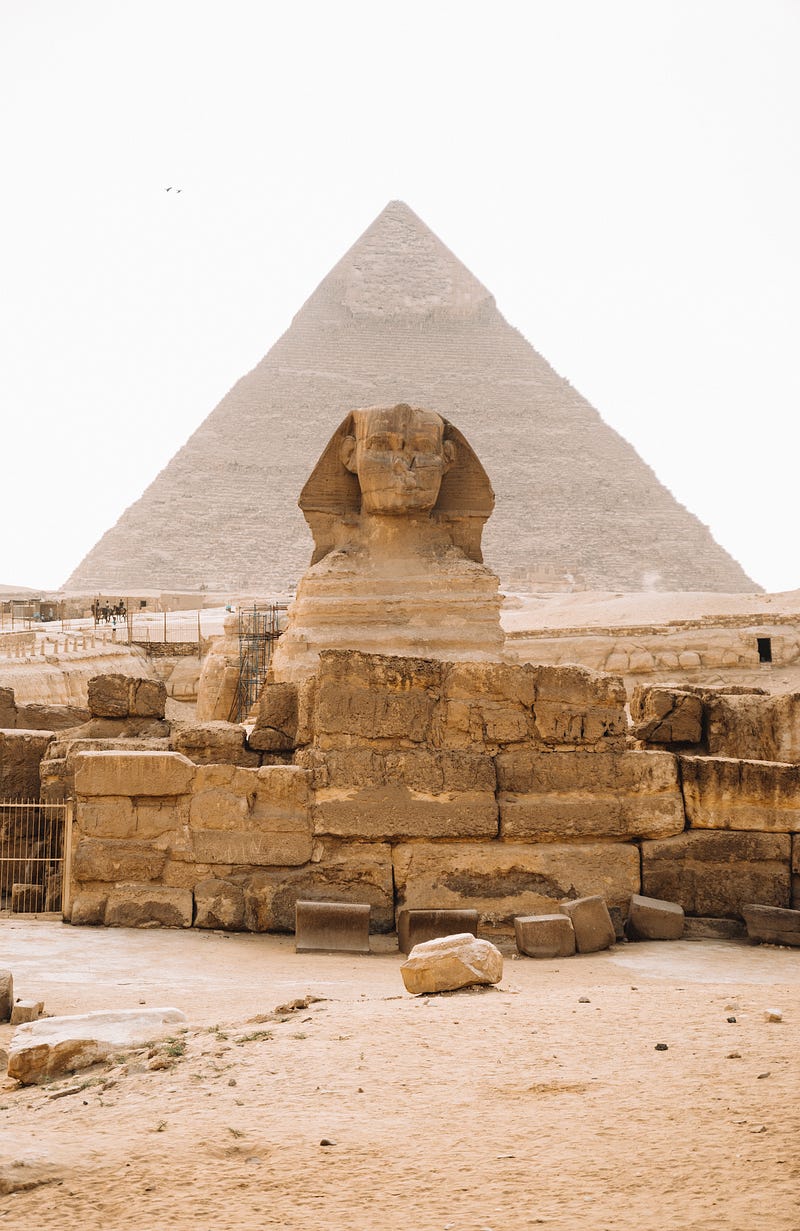
The Sphinx
1. The Sphinx
The Sphinx is a massive stone monument in Egypt that was built in around 2600 BC. It is one of the most famous and recognizable monuments in the world, and it has been the subject of much speculation and mystery over the years.
The most famous mystery surrounding the Sphinx is its purpose. Why was such a massive structure built in such an isolated location? Some believe that it was meant to be a guardian of the Pharaohs’ tomb, while others believe that it was simply a work of art designed to impress visitors to the site.
However, there is one theory that is particularly chilling. Some scientists believe that the Sphinx may have been built as a warning to future generations about the dangers of climate change.
If this is true, then the Sphinx is a truly amazing example of ancient technology that continues to scare scientists today.
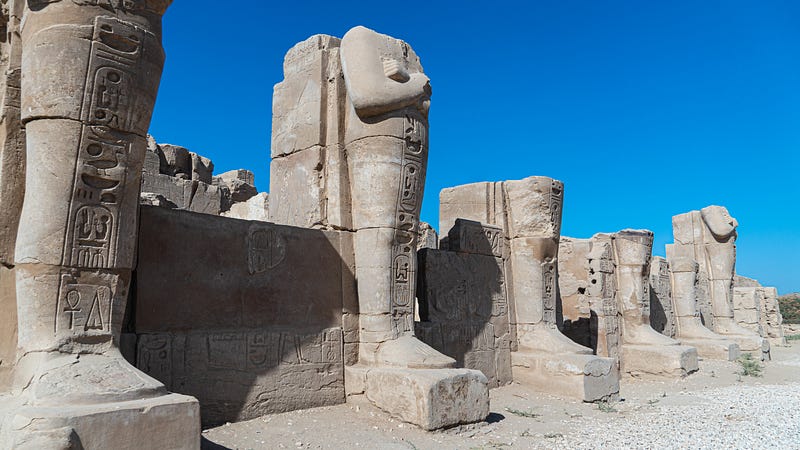
The Karnak Temple
1. The Karnak Temple is one of the most technologically advanced ancient structures in Egypt. Its massive size and intricate design are a testament to the engineering prowess of the ancient Egyptians.
2. The temple was built over a period of more than 1,500 years, from around 2055 BC to 30 AD. Its vast size — it covers an area of 100 acres — makes it one of the largest ancient temples in the world.
3. The temple is made up of three main parts: the Precinct of Amun-Re, the Precinct of Mut and the Precinct of Montu. Each precinct has its own unique features, but all are impressive feats of engineering.
4. The Karnak Temple is one of the most visited archaeological sites in Egypt. It receives millions of tourists each year who come to marvel at its size and beauty.
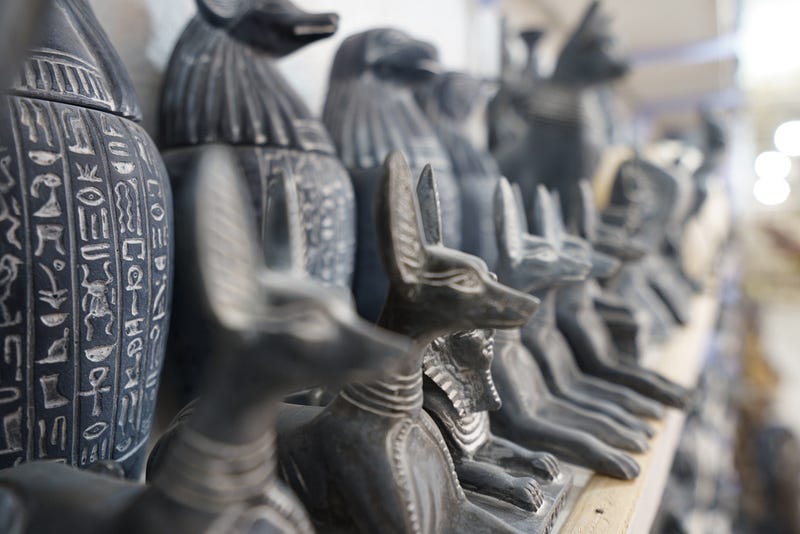
The Valley of the Kings
The Valley of the Kings is one of the most amazing ancient Egyptian sites. It is a valley in the desert where the ancient Egyptians built their tombs. The Valley of the Kings is full of mysteries and has many strange features that scientists still do not understand.
One of the most mysterious things about the Valley of the Kings is the way that the tomb walls were built. The tomb walls are made of limestone blocks that are fitted together perfectly without any mortar. How did the ancient Egyptians build these walls without any modern technology?
Another mystery of the Valley of the Kings is the fact that all of the tombs have been looted. Even though there are thousands of tombs in the Valley of the Kings, not one has been found that still contains its original contents. How did all of these tombs get emptied?
There are many theories about how the ancient Egyptians built the Valley of the Kings and how all of the tombs were looted, but no one knows for sure. The mysteries of this site continue to baffle scientists and historians today.
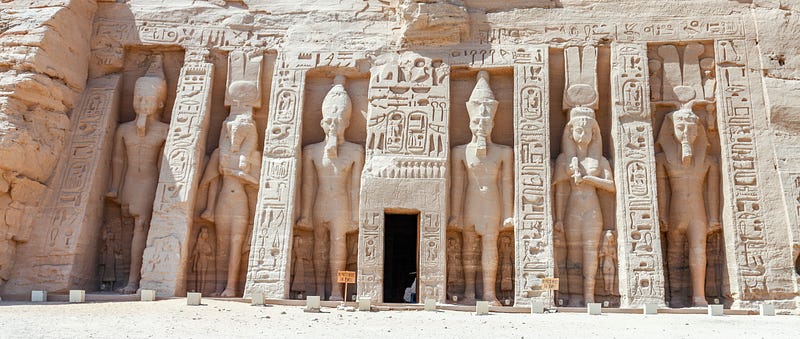
Abu Simbel
1. Abu Simbel
The Abu Simbel temples are two massive rock-cut temples in southern Egypt. They were built by the Pharaoh Ramses II in the 13th century BC, to commemorate his victory at the Battle of Kadesh.
However, what’s really amazing about these temples is that they were only discovered in 1813, by a Swiss explorer named Johann Ludwig Burckhardt. until then, they had been buried under sand for centuries.
Since their discovery, the temples have been a popular tourist destination. But in recent years, they’ve also become a source of worry for scientists.
That’s because they’re located in an area that’s highly susceptible to earthquakes and flooding. In fact, there was a major earthquake in 1992 that caused significant damage to one of the temples.
And with climate change causing sea levels to rise, there’s a real risk that the temple could be completely submerged within the next few hundred years.
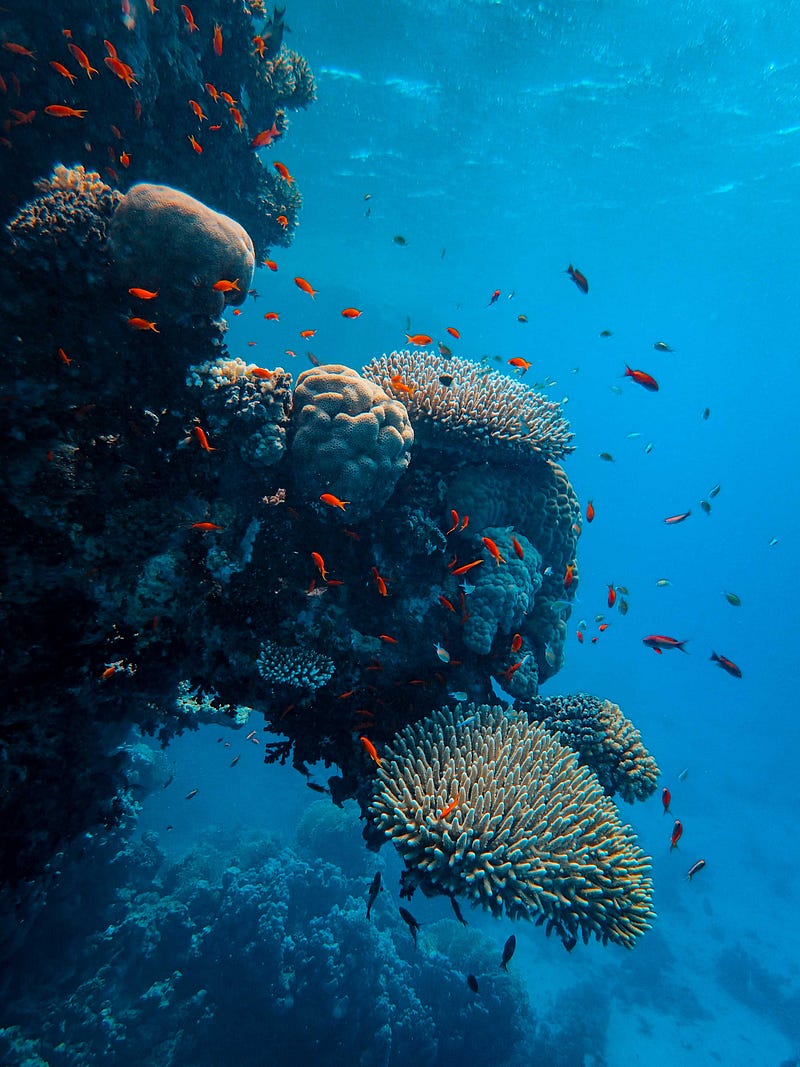
The Red Sea Reefs
The Red Sea Reefs are one of the most amazing and unique features of Egypt. They are home to a wide variety of marine life, including many endangered species. The reefs are also an important breeding ground for fish and other marine animals.
However, the Red Sea Reefs are under threat from climate change and pollution. Scientists are concerned that rising sea levels and ocean acidification will damage the delicate coral reefs. This could lead to the loss of many species of fish and other marine animals that rely on the reefs for their survival.
There is still much we don’t know about the Red Sea Reefs and their importance to the ecosystem. But one thing is clear: we need to do everything we can to protect them.
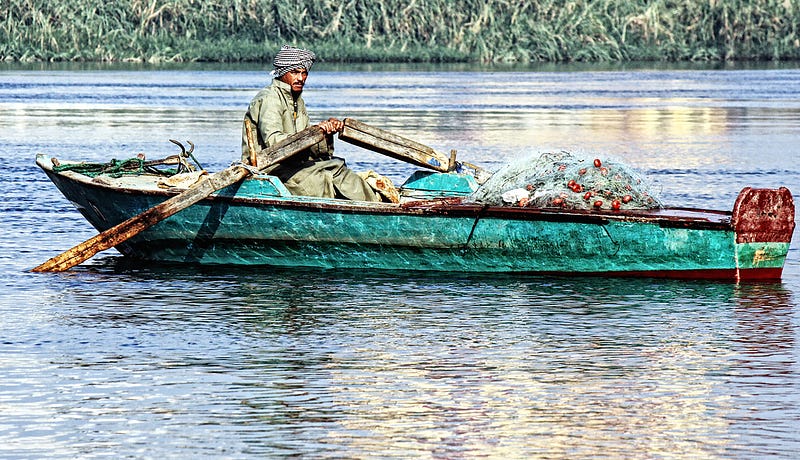
The Nile River
The Nile River is a natural wonder that has sustained life in Egypt for centuries. But now, this river is being threatened by a new dam project.
If the dam is built, it will block the flow of the Nile River and cut off the water supply to millions of people. It would also destroy critical habitats for wildlife.
The government says the dam is necessary to provide power and water for Egypt’s growing population. But many scientists believe there are other ways to meet these needs without harming the environment.
Do you think the Egyptian government should go ahead with the dam project?
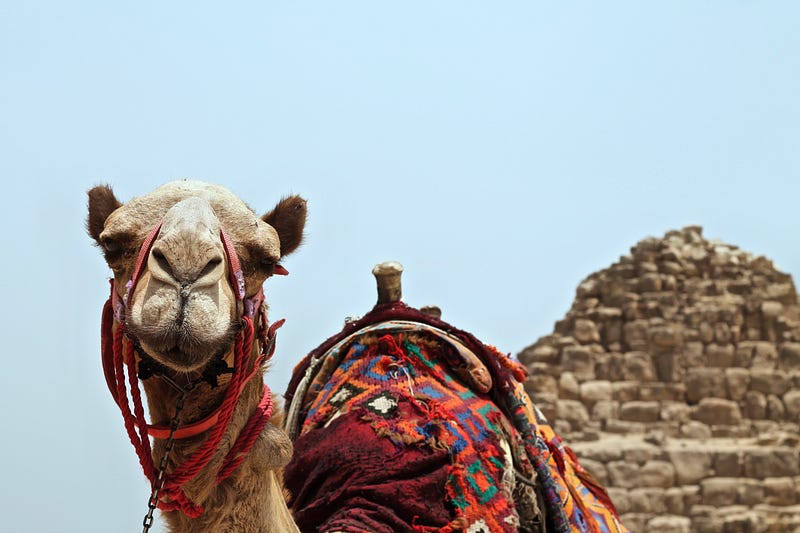
The Suez Canal
The Suez Canal is a man-made waterway in Egypt that connects the Mediterranean Sea to the Red Sea. The canal is 151 miles long and took 10 years to build. It was opened in 1869 and is one of the busiest shipping lanes in the world.
The Suez Canal is considered one of the wonders of the modern world. It is a feat of engineering and has had a huge impact on global trade. Ships from all over the world use the canal to travel between the Mediterranean and Red Seas.
The canal has also had a major impact on Egypt. It has made Egypt an important trade hub and has brought wealth and jobs to the country. However, the canal has also caused environmental problems. The ships using the canal release pollutants into the water, which can damage coral reefs and harm marine life.
Despite its problems, the Suez Canal is an amazing feat of engineering and an important part of Egypt’s history and economy.
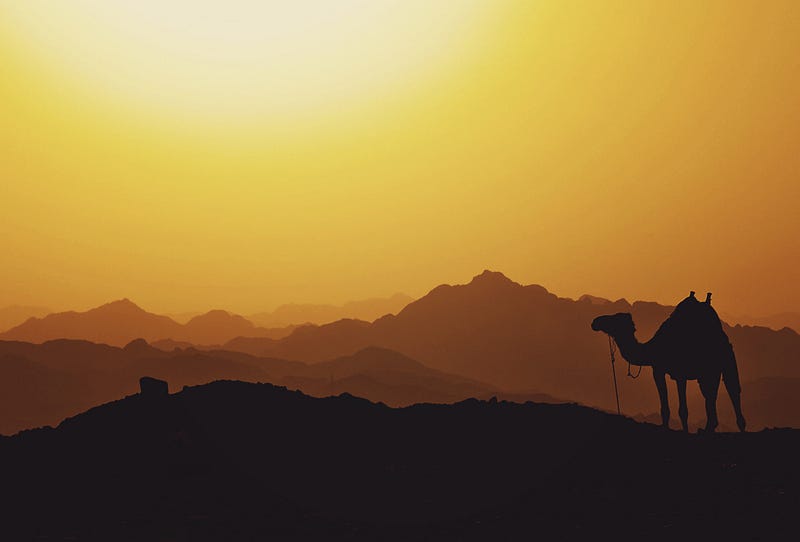
The Sahara Desert
The Sahara Desert is the largest desert on Earth. It covers 9 million square kilometers (3.6 million square miles) — about the size of China or the United States. The Sahara is located in the north of Africa, stretching from the Red Sea in the east to the Atlantic Ocean in the west.
The Sahara is a hot, dry desert. Temperatures can reach up to 50°C (122°F) during the day, and drop to below freezing at night. There is very little rainfall — less than 10 centimeters (4 inches) per year on average.
The Sahara is home to a variety of plants and animals adapted to survive in these harsh conditions. These include succulent plants that can store water, and animals such as camels that can go for long periods without drinking.
Despite its hostile environment, the Sahara is home to around 2 million people, mainly in its northern edge where there is more rainfall and vegetation. People have inhabited the Sahara for thousands of years, and many continue to live traditional lifestyles as nomadic herders and farmers.
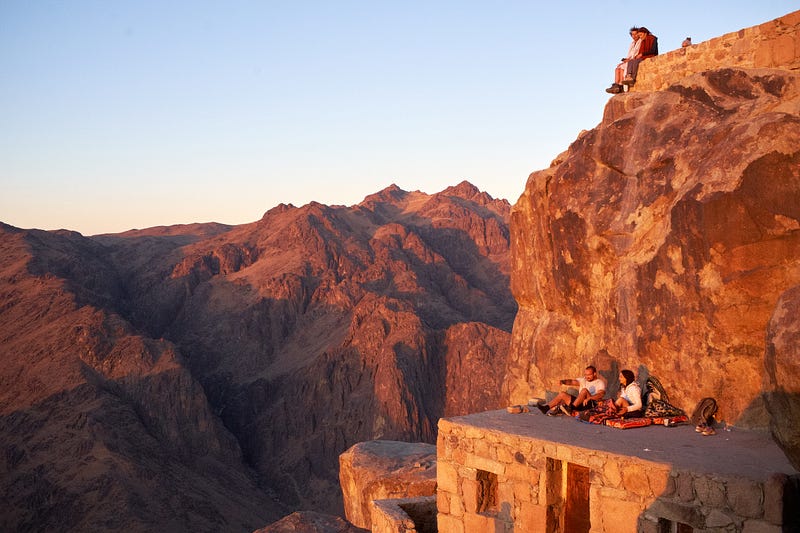
Mount Sinai
Mount Sinai is a mountain in the Sinai Peninsula of Egypt that is a popular tourist destination. It is also home to some of the most advanced and dangerous technology in the world.
The mountain is home to a number of laboratories and facilities that are researching everything from genetic engineering to artificial intelligence. There are also a number of military installations on the mountain, including an anti-aircraft missile system.
The technology on Mount Sinai is so advanced and so dangerous that it has scared scientists around the world. Some believe that the technology could be used to create new weapons of mass destruction, or even to create artificial life forms.
Whatever the case may be, Mount Sinai is definitely a place worth paying attention to. The technology there could change the world as we know it, and it could be used for good or for evil. Only time will tell what will happen at Mount Sinai.